 By
By  Zvi Sesling’s 10 By 10 Flash has accepted my micro story entitled “Of Apples and Wildabeests” for publication for its next edition.
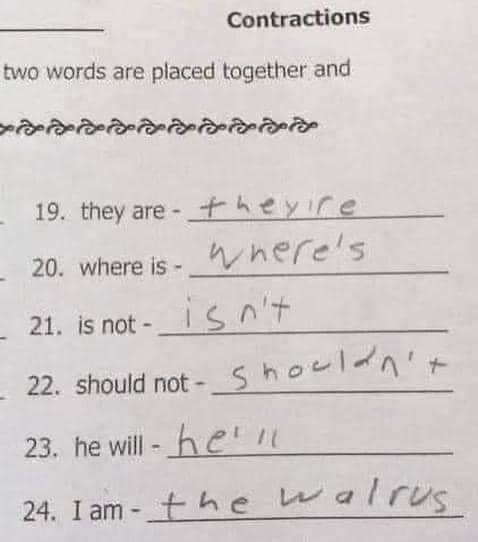
Contractions
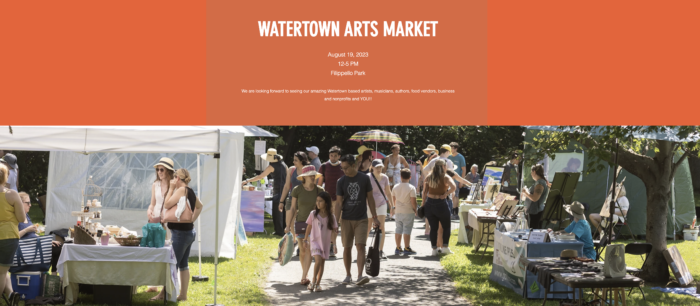
Watertown Lit Squad Readings, August 19, 2023
Come by the Watertown Arts Market on August 19, 2023 in Filippello Park, East Watertown (near Grove Street and Coolidge Avenue) and hear local Watertown poets and writers read. In addition to readings, several authors will have their books for sale. There will also be arts & crafts on display by local artisans.
[Barb Ariel Cohen and I are scheduled readers!]Schedule of Watertown Lit Squad readings, Watertown Arts Market
Filippello Park, 19 August 2023
Sit with us in shade at our tent and hear us present our work
Estimated
Time (PM) Reader
1:00 Bev Stohl
1:20 Laura Gimby
1:27 Patti Cassidy
1:34 Barb Ariel Cohen
1:41 Patrick Fairbairn
1:48 Barb Ferullo
1:55 Don Gervich
2:02 Ruth Henry
2:09 DeWitt Henry
2:16 Phil Temples
2:23 Open Mike readers welcome in order of appearance, for six minutes apiece!
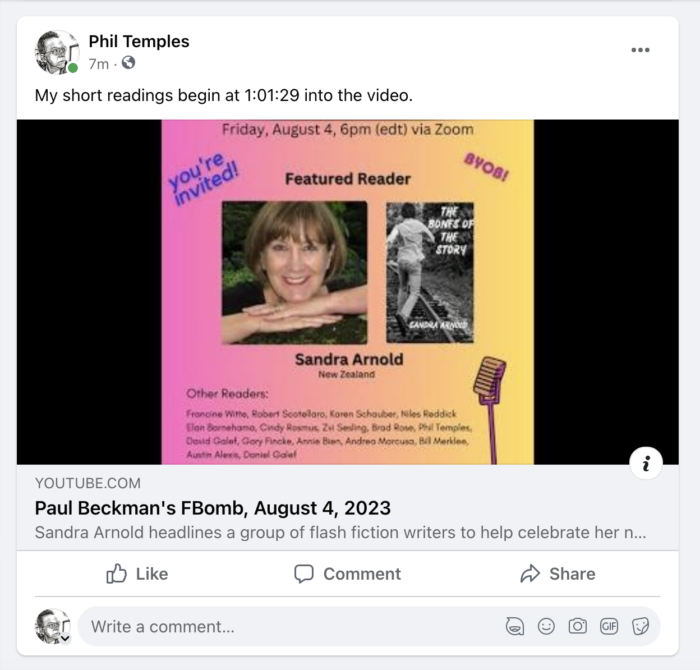
F-Bomb Reading, August 4, 2023
“The White Nothing” Accepted by Yellow Mama Webzine
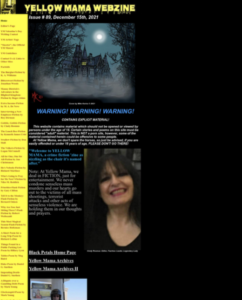 Yellow Mama Webzine has accepted my horror story “The White Nothing” for publication.
Says Cindy: “OMG, what a GREAT story!!! Perfect for [Yellow Mama’s] 100th issue, ideal for Halloween!”
Happy to oblige, Cindy.
“My Sphincter Bleeds for Chartreuse Anteaters” Accepted by “The Metaworker”
 My odd little tale entitled, “My Sphincter Bleeds for Chartreuse Anteaters” was accepted by The Metaworker, “an internet literary magazine where great stories are forged.”
Reading at F-Bomb, August 4, 2023
UPDATE:
To quote the famous line from Gilda Radner’s SNL character Emily Litella: “Ah … Never Mind.” The F-Bomb Reading is actually on August 4 at 6:30 PM.
———
I’ll be joining my friends Niles Reddick, Zvi Sesling and other writers at F-Bomb Online Friday evening, July 28 at 6:30 PM where we’ll read our fiction.
Contact me if you would like the Zoom link.
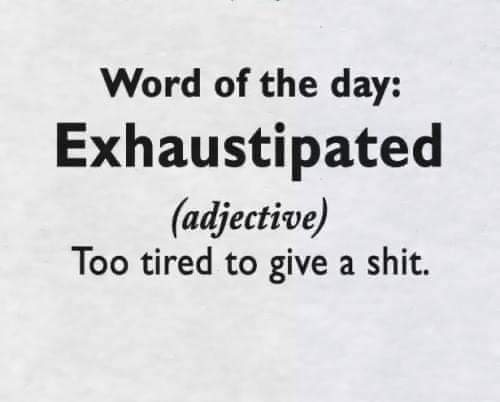
Exhaustipated
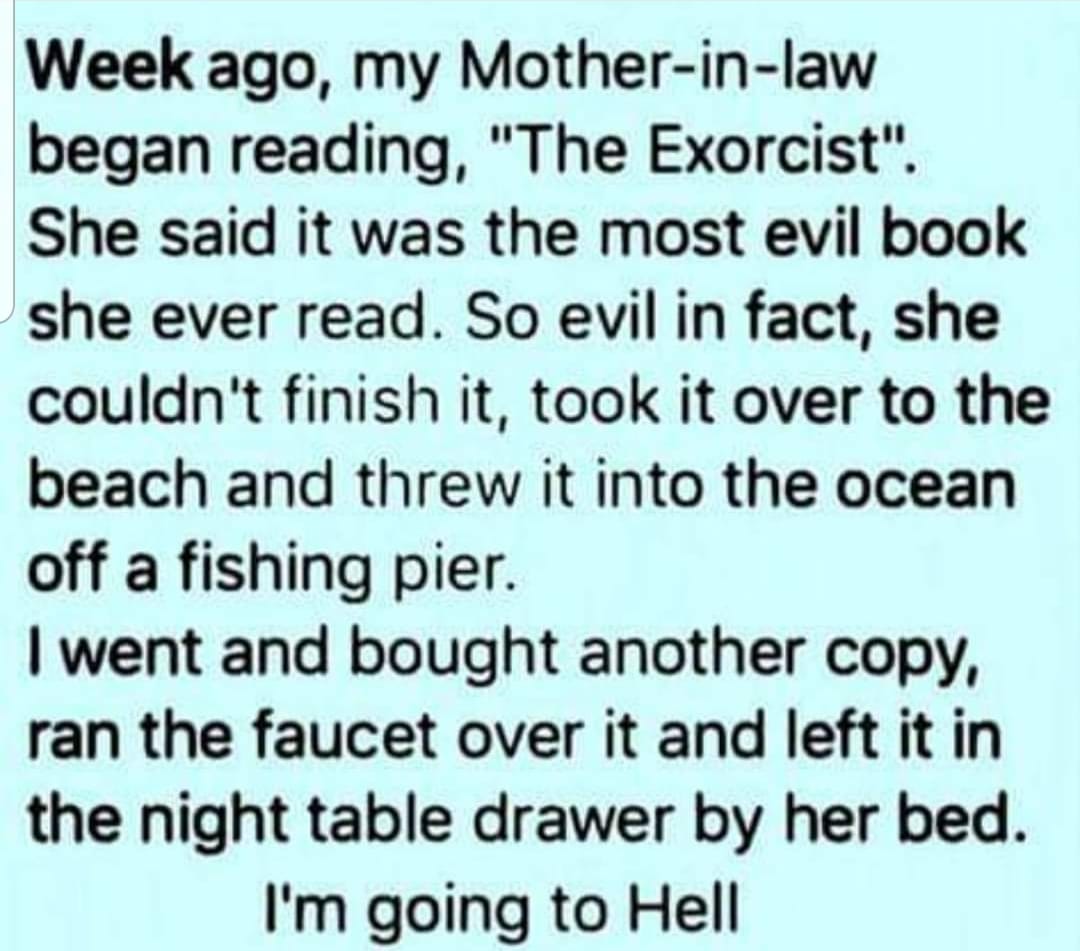
“You’re Evil”
Photo, Micro Stories Featured In “Watertown Lit Squad’s Poets’ & Writers’ Sampler 2023”
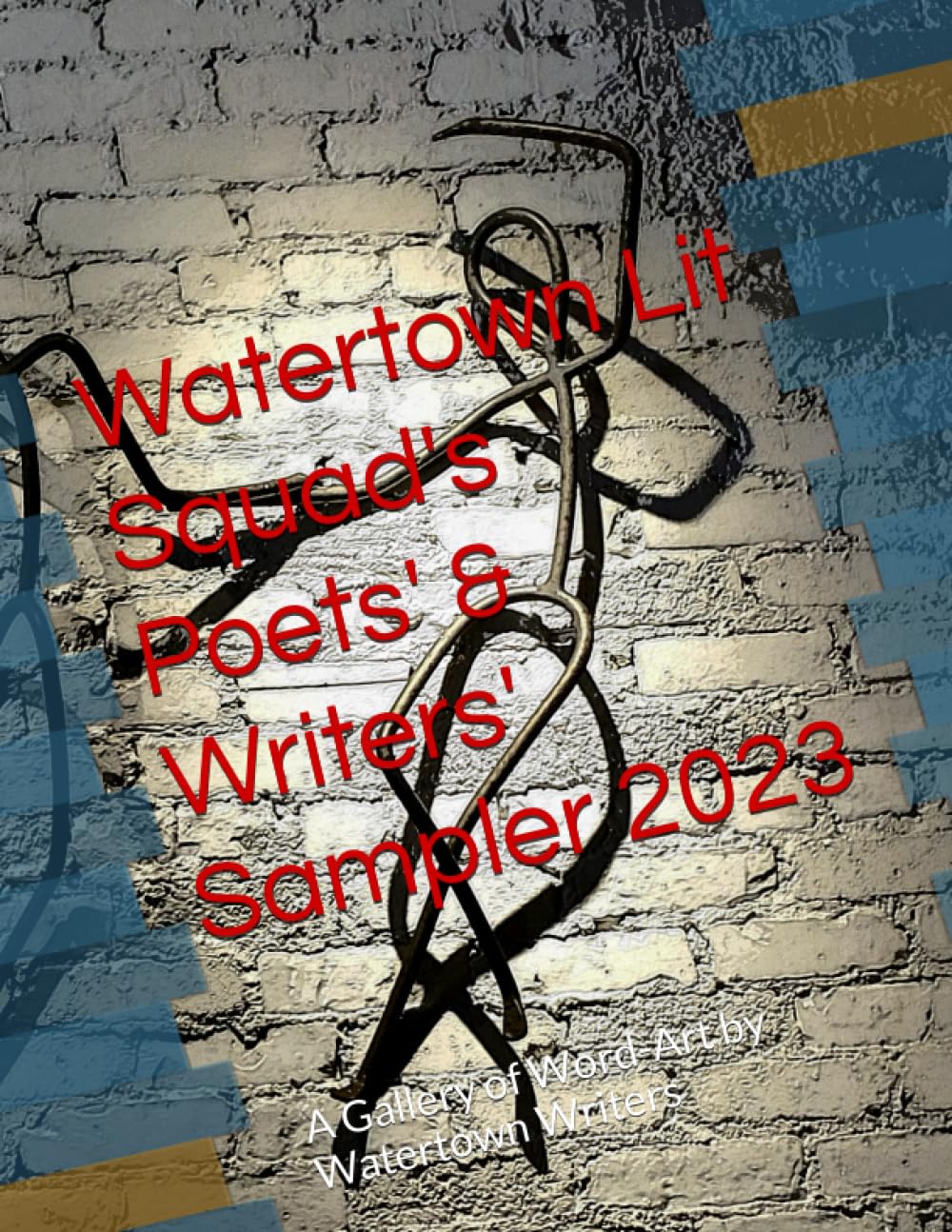 I’m pleased that Plowshares‘ DeWitt Henry is featuring a number of my micro stories in Watertown Lit Squad’s Poets’ & Writers’ Sampler 2023.
Included are: Blue, Gray, Inner Child, Justice, Look Away, When Your Girlfriend Has Left You, and Wishing Well.
The Sampler’s cover image is my photograph, “Dancers.”
[Barb Ariel Cohen’s poems are also featured in Sampler: Cold Stand Down, And When the Light Is Past, Night Silhouettes, Fearless Path, Clouds, and Poise.]